Fixing
Softens the leaf and arrests enzymatic activity.

FROM FOREST TO CUP
We propagate, tend, harvest, process, refine and age our own tea. A complete chain exists for one reason: responsibility for where every leaf begins and where it arrives.
01 / THE LEAF
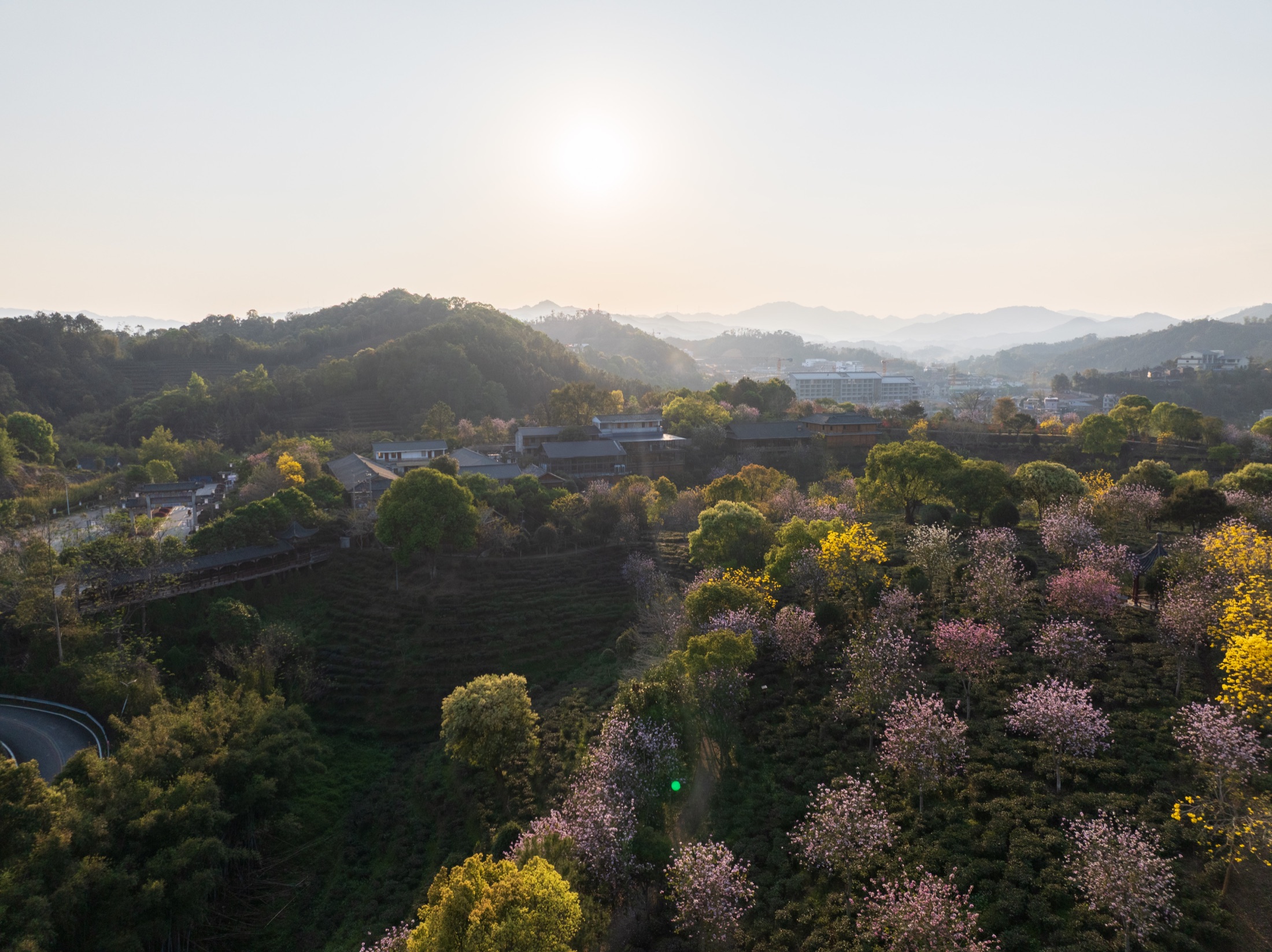
NATIVE LIUBAO FIRST
Cangsong propagates native Liubao from old mother gardens and tends its estates through ecological practice. Harvest standards follow season and intended style, connecting fresh leaf to final flavour from the beginning.
Garden, harvest and factory are not isolated. Our makers understand the weather and land behind each batch.
02 / PRIMARY CRAFT
FIVE PRIMARY STEPS
Heat softens the leaf; rolling shapes it; controlled piling uses warmth and moisture to temper greenness and bitterness; re-rolling restores the strands; drying stabilises the tea.
The sequence is clear, but every decision responds to leaf, weather and desired character. Craft lives in judgement, not only in a diagram.
Softens the leaf and arrests enzymatic activity.
Tightens the leaf into defined strands.
Uses warmth and moisture to shape flavour.
Restores form after the pile loosens the leaf.
Stabilises the tea for its next stage.
03 / AGEING AT ORIGIN
REFINING AND TIME
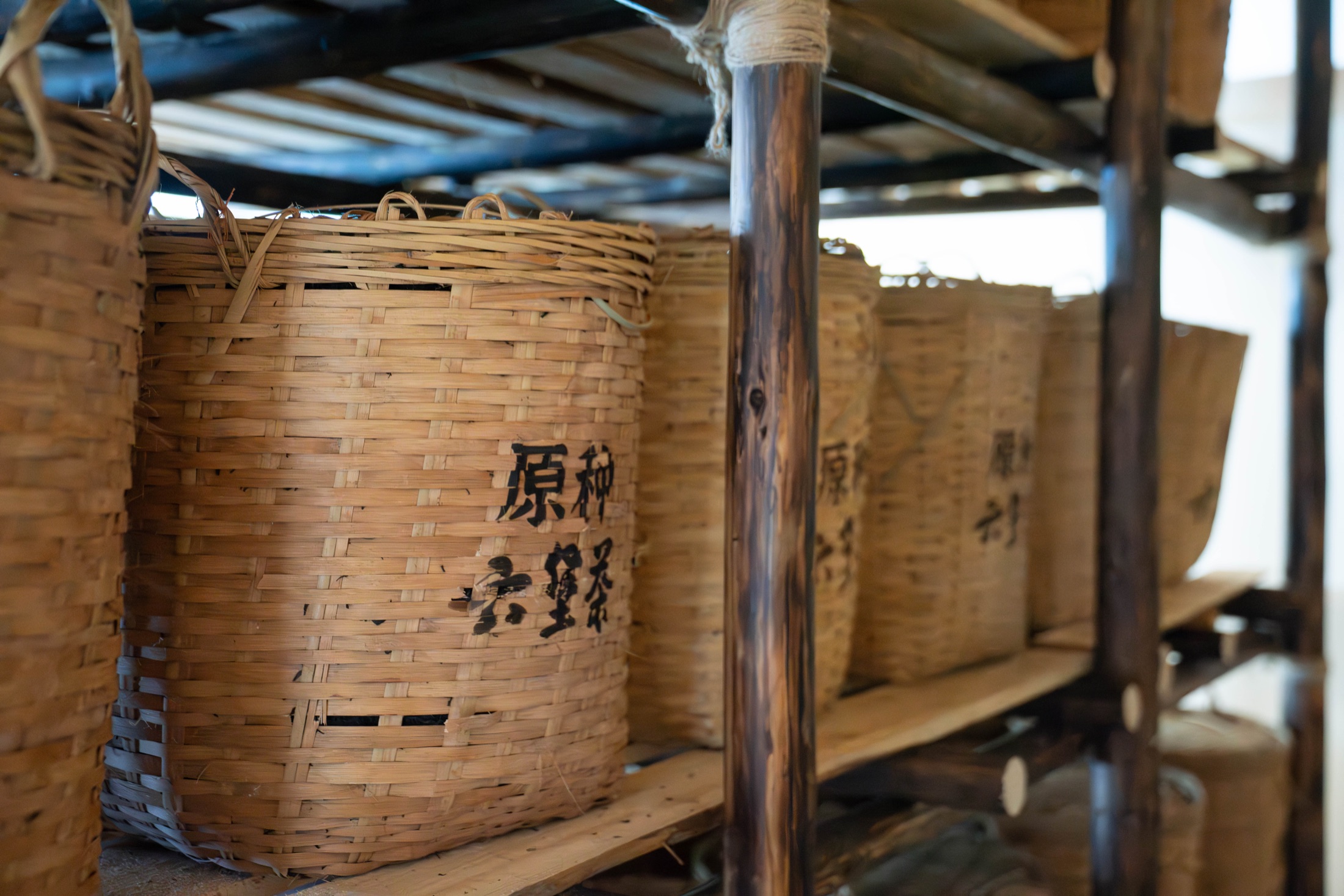
After sorting, steaming and pressing, the tea may take basket, brick, cake or tuo form before resting and entering the warehouse. Traditional bamboo baskets allow measured airflow as flavour continues to develop.
Cangsong uses clean, cool and ventilated brick-and-timber warehouses in Liubao Town. Ageing at origin means observing humidity, aroma and the progress of every batch.
FROM LIUBAO, WITH TIME
RETURN TO THE OVERVIEW →︎