Guanyingping
An origin point for Cangsong's history and organic practice.

THE PLACE MAKES THE TEA
Mountain, mist, water, soil and native Liubao cultivars form the foundation of the tea. Origin is not simply an address, but a natural relationship that cannot be moved.
01 / LIUBAO TOWN
NORTH OF THE TROPIC OF CANCER
Liubao Town lies in northern Cangwu County, Guangxi, and is the birthplace of Liubao tea. Here the Dagui mountain range rises to elevations of around 1,000 metres.
An average annual temperature of about 21.2°C, rainfall near 1,500 millimetres and a long frost-free season create distinctive conditions for growth and transformation.
02 / NATIVE CULTIVAR
LIUBAO ROOTS
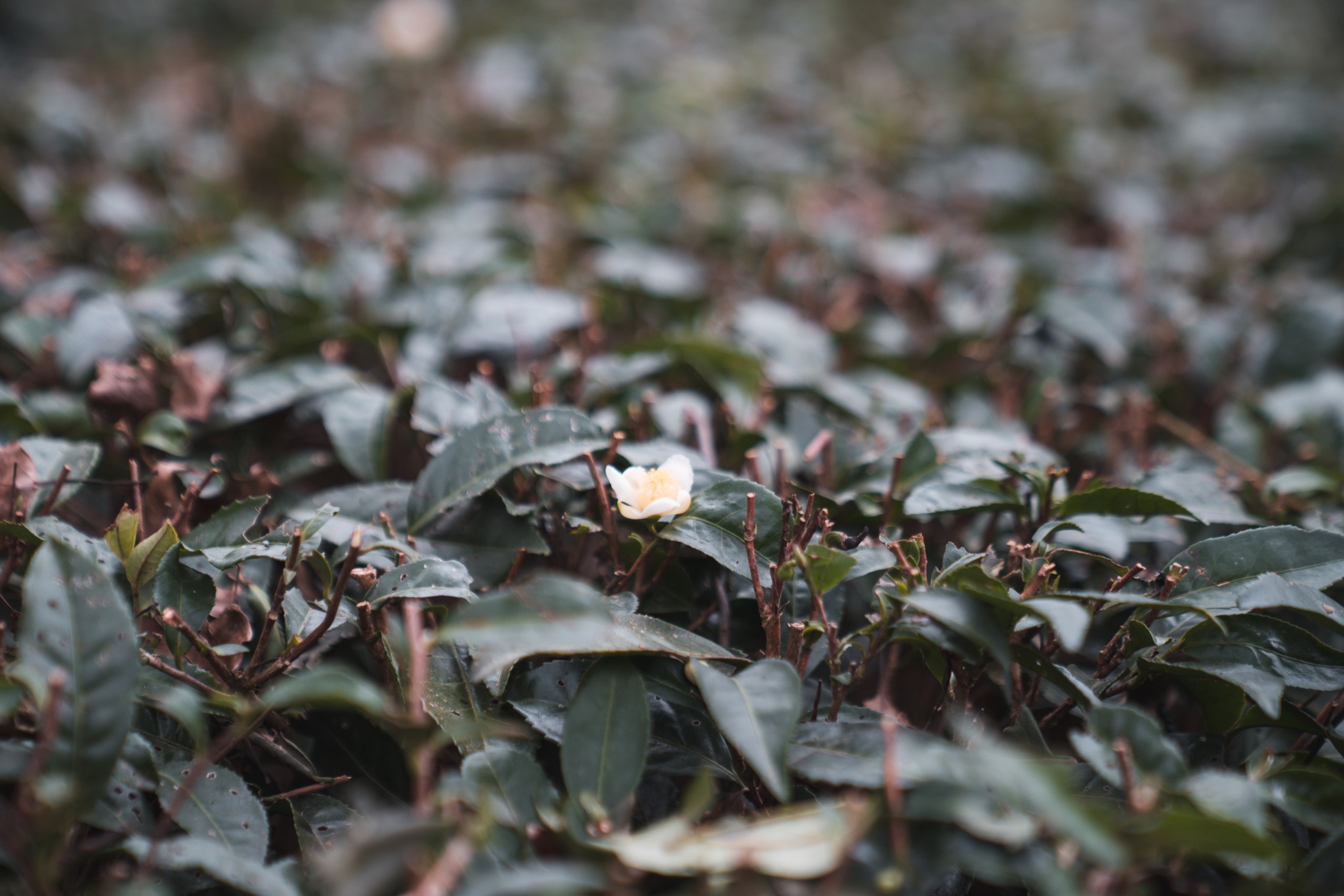
Each year, Cangsong propagates native Liubao plants from mother stock in gardens dating to the 1950s. Cultivar, soil and climate establish the tea's character while allowing genuine differences between mountainsides.
Knowing the origin and cultivar of the fresh leaf is the first step in preserving traditional flavour.
03 / FOUR GARDENS
FOUR GROWING AREAS
Cangsong's four growing areas in Liubao Town are Guanyingping, Penlong, Gongzhou Yun Zai and Gaojian Village, supported by a traceability system from garden to finished tea.
Approximately 33.3 hectares are organically certified. The journey began at Guanyingping in 2008 and later expanded across major Chinese and international organic standards.
An origin point for Cangsong's history and organic practice.
A core garden for ecological care and native flavour.
A distinct small growing area with clear mountain character.
A new base connecting future gardens and production.
FROM LIUBAO, WITH TIME
RETURN TO THE OVERVIEW →︎